
In-Person and Online Eating Disorder Treatment
Embrace food freedom and honor your here-and-now body.
Is your relationship with food and your body getting in the way of your life?
Maybe food thoughts take up more space than you want them to. Maybe you find yourself caught in cycles of body checking, comparing, restricting, bingeing, purging, over-exercising, or questioning every food choice.
Maybe plans around food feel rigid, and when something changes, your anxiety spikes. Maybe part of you wants recovery, while another part feels terrified of letting go of the eating disorder behaviors that have helped you cope.
Living with an eating disorder can feel exhausting, consuming, and hard to explain to other people. You may look like you are “functioning” on the outside while internally feeling overwhelmed by rules, guilt, shame, fear, and constant mental negotiation.
You are not alone. And you do not have to be “sick enough” to deserve support.
Eating disorders are not just about food.
For many people, eating disorder behaviors are connected to deeper emotional pain, trauma, anxiety, perfectionism, body shame, relationship wounds, or a need for safety and control. These behaviors may have served a purpose. They may have helped you feel grounded, protected, numb, capable, distracted, or in control when other parts of life felt overwhelming. That does not mean you are broken. It means your nervous system has been trying to help you survive.
Recovery is possible.
Therapy can help you move toward a more peaceful relationship with food and your body.
Right now, eating disorder recovery may feel far away or difficult to imagine. That makes sense. Recovery often happens in small, meaningful steps, and those steps do not have to be taken alone.
My approach to eating disorder therapy is grounded in:
Health at Every Size principles
Anti-diet care
Body respect
Trauma-informed therapy
I support clients navigating:
Anorexia nervosa
Bulimia nervosa
Binge eating disorder
OSFED and other specified eating disorders
Disordered eating
Chronic dieting
Compulsive or compensatory exercise
Body image distress
Food guilt, fear, or anxiety
Body checking and body avoidance
Fear of weight gain
Shame around eating
Perfectionism and control around food
Eating disorder recovery after past treatment

You do not need a formal eating disorder diagnosis to begin therapy. If food, exercise, body image, or fear of weight change are interfering with your life, support is available.

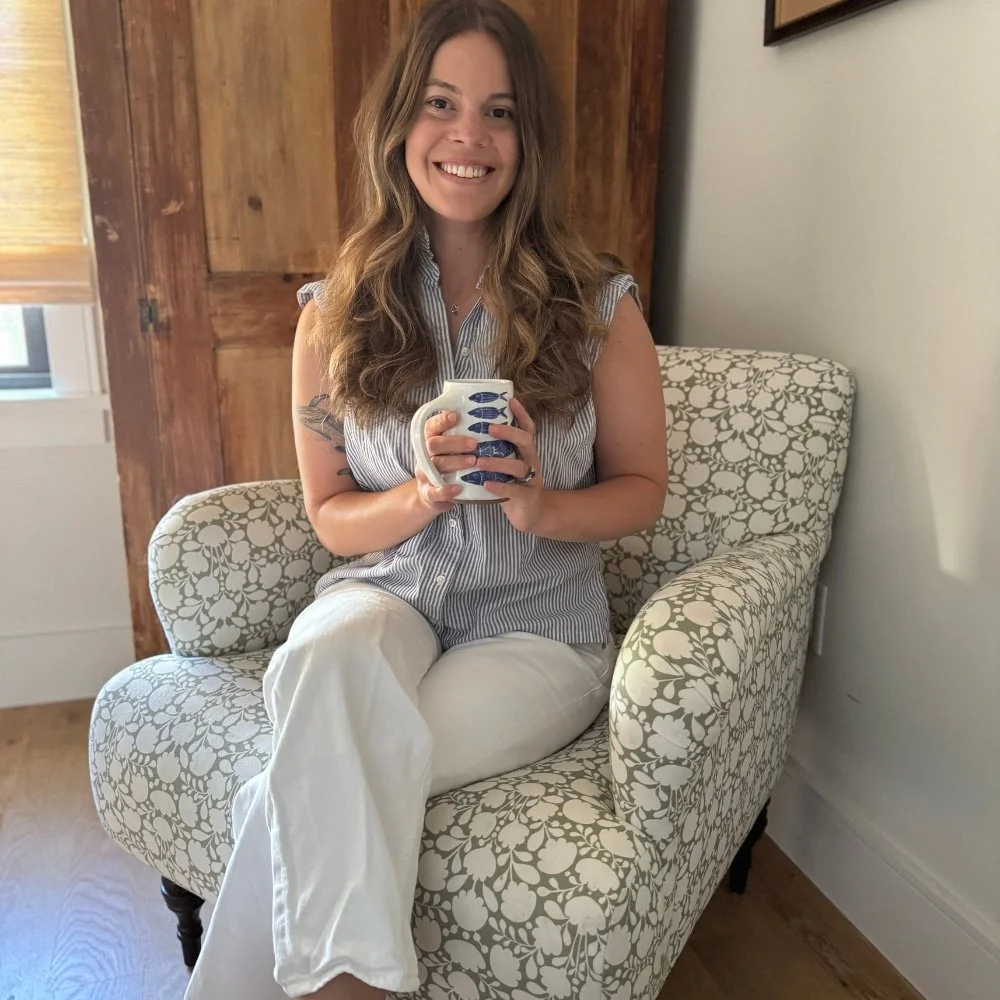
What we’ll work on together
Eating disorder therapy is not about judgment, shame, or forcing you to change before you feel ready. Our work will be collaborative and paced with care.
Together, we may work on:
Understanding the role the eating disorder has served in your life
Untangling from harmful food, body, and weight narratives
Rebuilding connection with your body and internal cues
Exploring trauma, anxiety, perfectionism, or emotional pain connected to the eating disorder
Developing tools to manage and feel emotions without relying on eating disorder behaviors
Reducing shame, secrecy, and isolation
Moving toward more flexibility, self-trust, and presence in your life
This is not one-size-fits-all work. Eating disorder recovery looks different for each person, and our work will be shaped by your needs, goals, history, and readiness.
What to Expect
What eating disorder treatment looks like
Eating disorder therapy is collaborative and individualized. Together, we’ll build a plan that reflects your needs, your current level of support, and what feels sustainable for you or your family.
Initial consultation
We’ll begin with a free consultation to talk about what's bringing you to therapy, answer your questions, and determine whether Behar Counseling may be a good fit for your needs.
Comprehensive assessment
During the first few sessions, we’ll explore your relationship with food and your body, current eating disorder symptoms, mental health history, support system, medical needs, and goals for treatment.
Consistent sessions
Many clients begin with weekly therapy, although the right frequency depends on your symptoms, goals, level of support, and treatment needs. We’ll revisit the plan together as treatment progresses.
Collaborative care
Eating disorder recovery often benefits from a coordinated treatment team. With your permission, Abby can collaborate with your registered dietitian, medical provider, psychiatrist, and other members of your care team.
Family involvement
When working with adolescents, parents and caregivers may be included in treatment when appropriate. Family involvement can help strengthen support at home while honoring the teen’s needs and voice.
Ongoing level-of-care evaluation
Outpatient therapy is not always enough to safely support recovery. If symptoms become medically or emotionally unsafe, Abby will talk with you openly about additional support, which may include more frequent care or a higher level of treatment.
You do not need a formal diagnosis or to feel “sick enough” to ask for support. The consultation is a place to talk through what you're experiencing and consider the next step.
Schedule a Free ConsultationHOW I WORK
Collaborative care for eating disorder recovery
Effective eating disorder treatment often benefits from a collaborative treatment team. Depending on your needs, your team may include:
A therapist
A registered dietitian
A medical provider
A psychiatrist or medication prescriber
Family members, partners, or other support people when appropriate
If you are unsure whether you need a treatment team or how to begin building one, we can talk through this together. You do not have to navigate eating disorder recovery or treatment decisions on your own.
In-Person & Online Eating Disorder Therapy in Massachusetts

I offer virtual eating disorder therapy for clients located in Massachusetts, Washington, and Vermont. I also offer in-person therapy in Needham, Massachusetts.
Whether you are navigating anorexia, bulimia, binge eating disorder, OSFED, disordered eating, compulsive exercise, or body image distress, therapy can offer a place to slow down, feel supported, and begin moving toward recovery.
Frequently Asked Questions
-
No. You do not need a formal eating disorder diagnosis to begin therapy. If food, exercise, body image, or fear of weight change are taking up more space in your life than you want them to, therapy can be a supportive place to start.
-
That’s okay. You don’t need to feel fully ready to begin. Ambivalence is a common part of eating disorder recovery. In therapy, we can explore the part of you that wants change and the part of you that feels afraid, without forcing or rushing either one.
-
No. You do not have to meet a certain threshold of suffering to deserve support. Eating disorders and disordered eating can be harmful at any size, stage, or level of functioning. If you are struggling, that’s enough reason to reach out.
-
Trauma-informed eating disorder therapy recognizes that eating disorder behaviors often developed for a reason. Instead of focusing only on stopping behaviors, we explore what those behaviors have helped you manage, protect, avoid, or survive. The work is paced with attention to safety, choice, trust, and your nervous system.
-
Trauma can affect the way someone experiences their body, emotions, relationships, safety, and control. For some people, eating disorder behaviors become a way to cope with overwhelming feelings, disconnect from the body, manage anxiety, or create a sense of control. Therapy can help you understand these connections with compassion.
-
That can feel discouraging, and it does not mean recovery is impossible. Sometimes the fit, timing, approach, or level of support was not right. We can talk about what felt helpful or unhelpful in past therapy and use that information to shape care that feels more supportive.
More questions? Visit my Fees & FAQs page.

ready to get started?